The Early Adopter Franchisees Who Built the Crumbl Empire
The Innovation Adoption Curve explains how every major innovation becomes mainstream.
In franchising, early franchisees jump into a concept long before the laggard ones recognize the brand.
When we mapped Crumbl franchise openings, we saw that not all of its 1,101 franchisees are created equal. Early adopters took massive risk and joined an unknown cookie company, while late adopters joined a booming brand selling out like hotcakes.
Let’s look into each group:
Innovators take extreme risk before systems or demand exist. Think of the first Tesla customers who bought an expensive electric car without EV infrastructure.
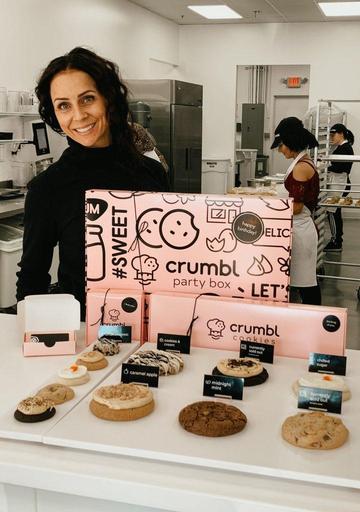
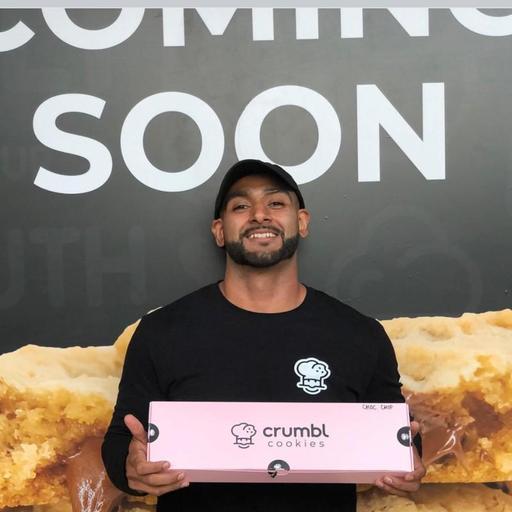
At Crumbl, this included the first franchisees and outliers like Bryce Redd, a former Facebook engineer who joined when the company had just two stores, leaving behind a ~$500K job for a $40K role. There were 23 innovators, making up only 2.5% of franchisees during the 2018–2019 period, shortly after Crumbl started in 2017.
Early adopters act after innovators but before mainstream validation. Think of the early Airbnb hosts who joined before people believed in short-term rentals as a market.
At Crumbl, this group included franchisees who recognized Crumbl’s edge early—weekly product drops, social media focus and tech-driven culture—before it was obvious to everyone else. There were 149 early adopters, making up about 13% of franchisees during the 2019–2021 period.
Early Majority requires visible proof before entering. Think of people who joined Facebook once it had already become popular among their friends.
For Crumbl, this wave consisted of franchisees from other brands seeing the potential, corporate professionals finally pulling the trigger on entrepreneurship, and existing franchisees expanding their footprint after seeing strong unit economics. Growth accelerated to approximately 691 stores by 2022, marking Crumbl's transition from an emerging concept to an established franchise brand.
Late Majority enters on broad validation and widespread adoption. Think of users who joined Netflix after getting hooked following the free trial. Despite reported AUV declines, the system was in full motion with near-daily store openings at some point, so more franchisees entered.
Laggards come onboard once adoption is universal and upside is largely captured. Think of users who adopt Amazon once it is the default for retail. At Crumbl, this group entered at the ~22M social followers mark, scooping up final territories—sometimes even cannibalizing existing stores—as expansion reached its current state.
Early adopters are the most informative segment of Crumbl’s adoption curve. Many became multi-unit, multi-brand operators (MUMBOs), deploying capital into systems like Dave’s Hot Chicken, The Picklr, Playa Bowls, Swig, Potbelly, and Planet Fitness.
For new franchise brands, this cohort is a pre-qualified pool of high-agency operators with a higher than normal risk tolerance.
We map this behavior to sharpen franchise development outreach—so every message is targeted, relevant, and worth sending.